
Last updated November 23, 2026
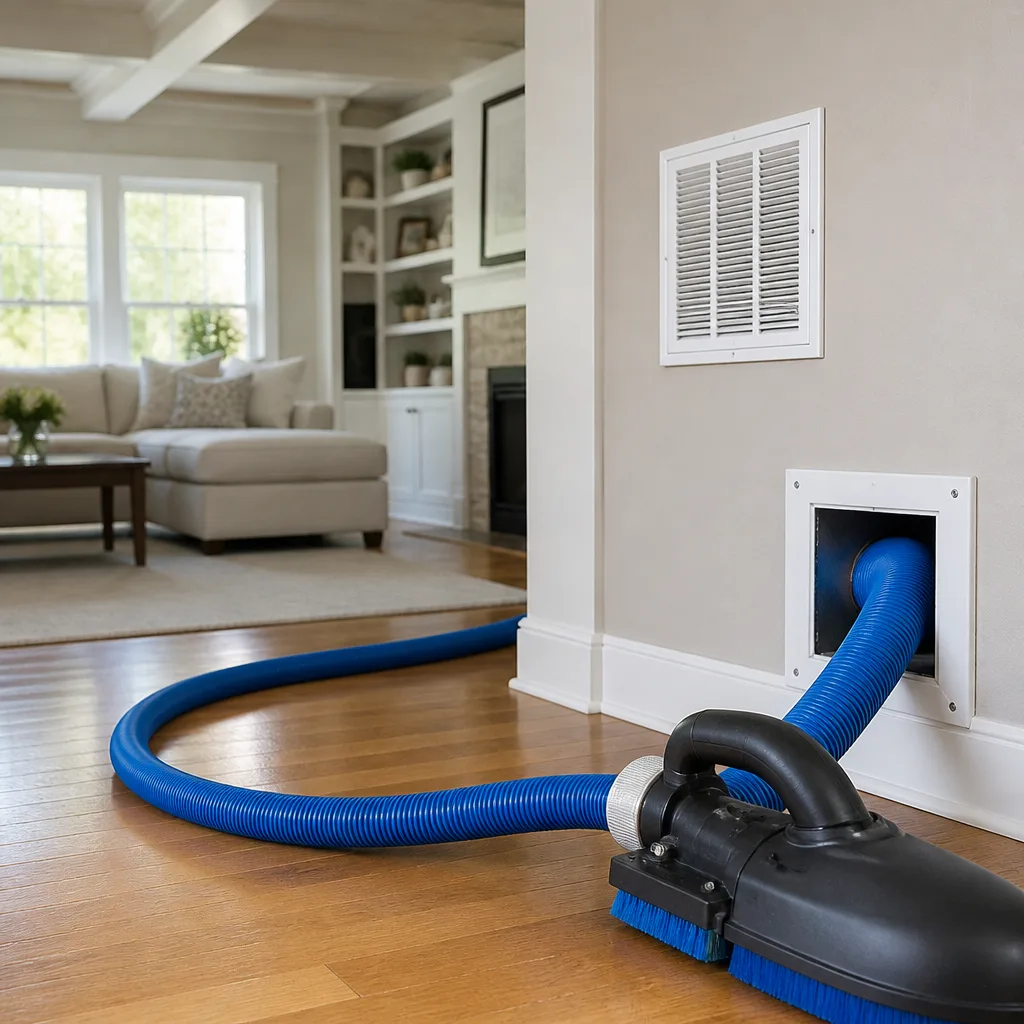 Whole-home duct cleaning
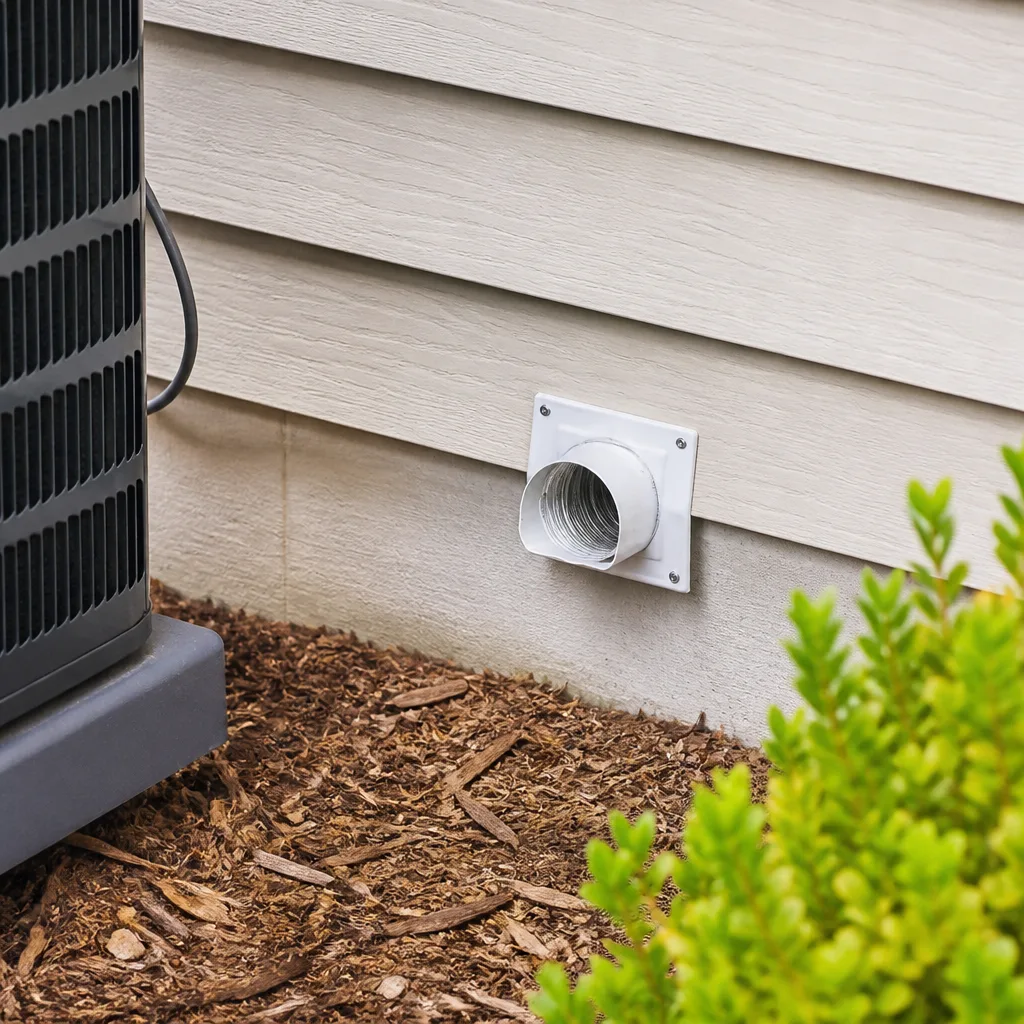 Dryer vent cleaning
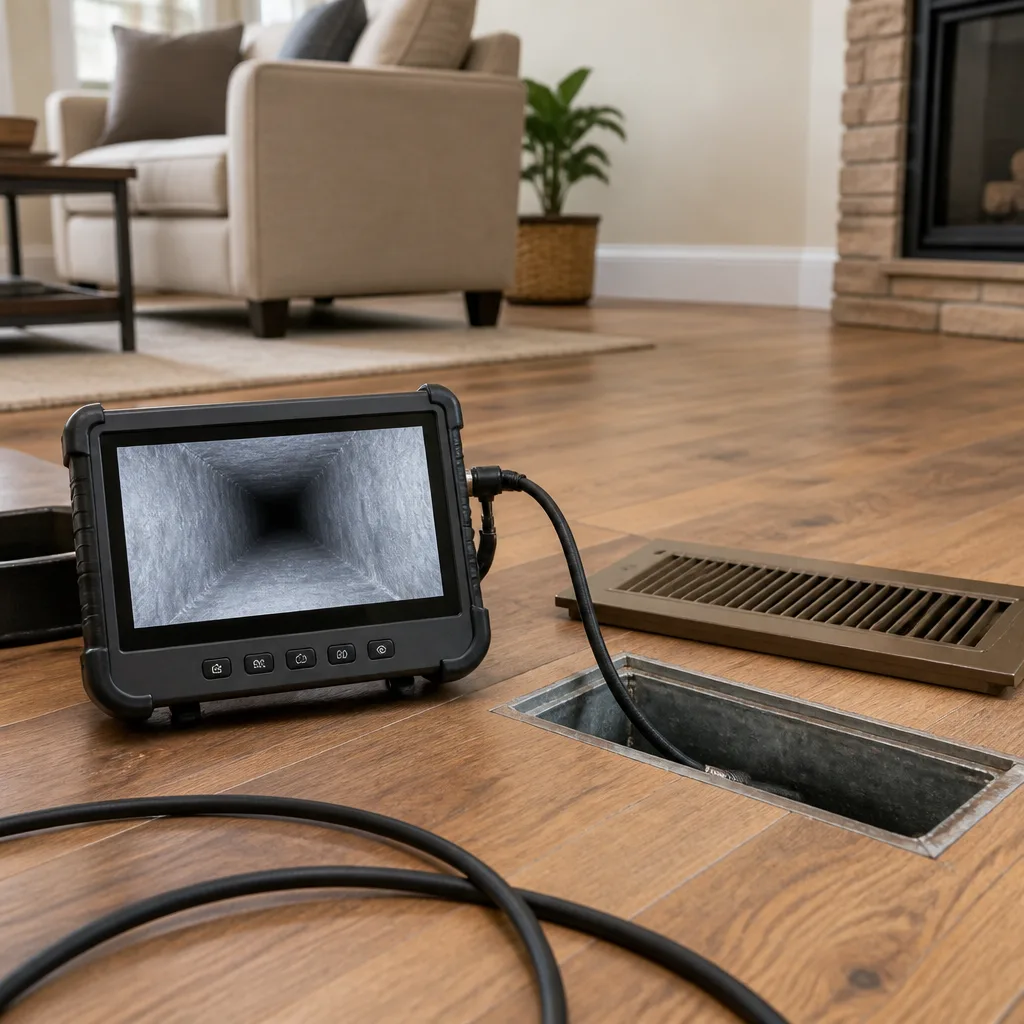 Camera inspection
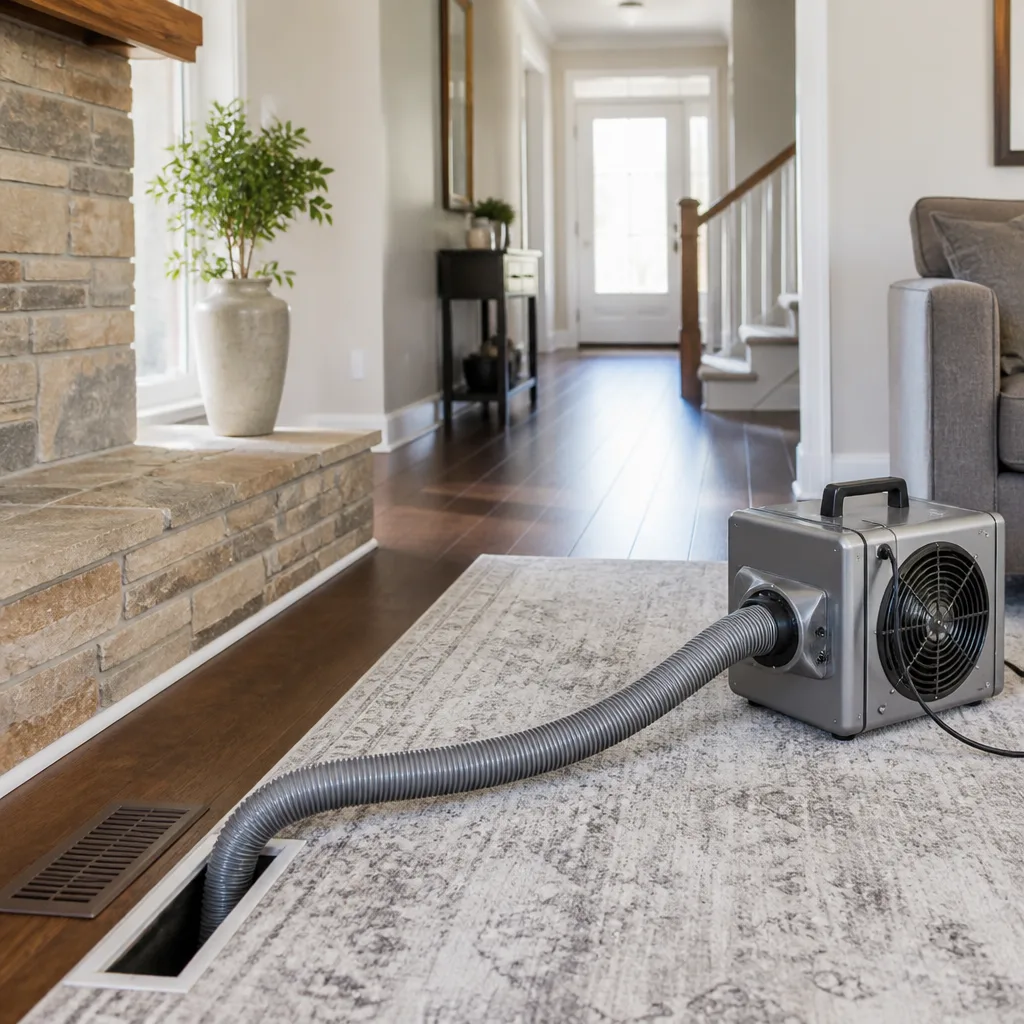 Sanitizing & deodorizing
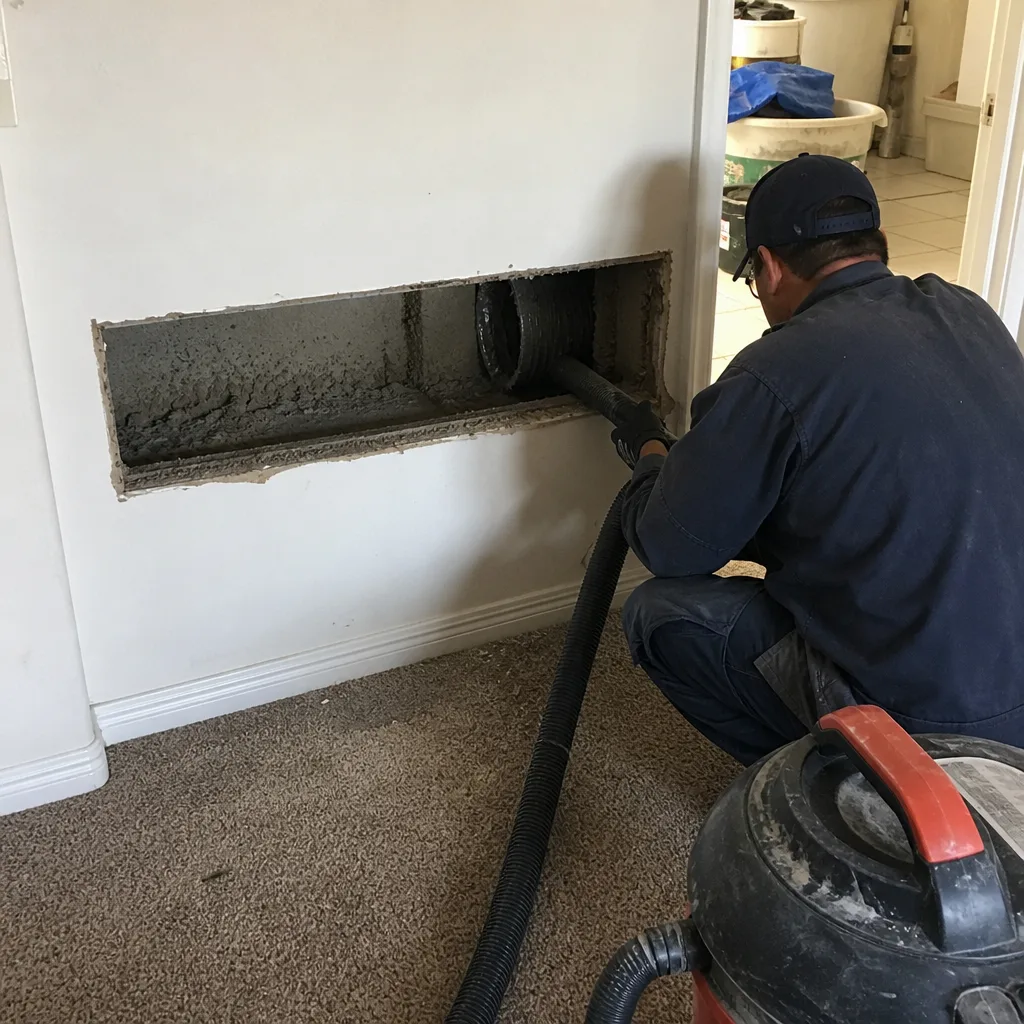
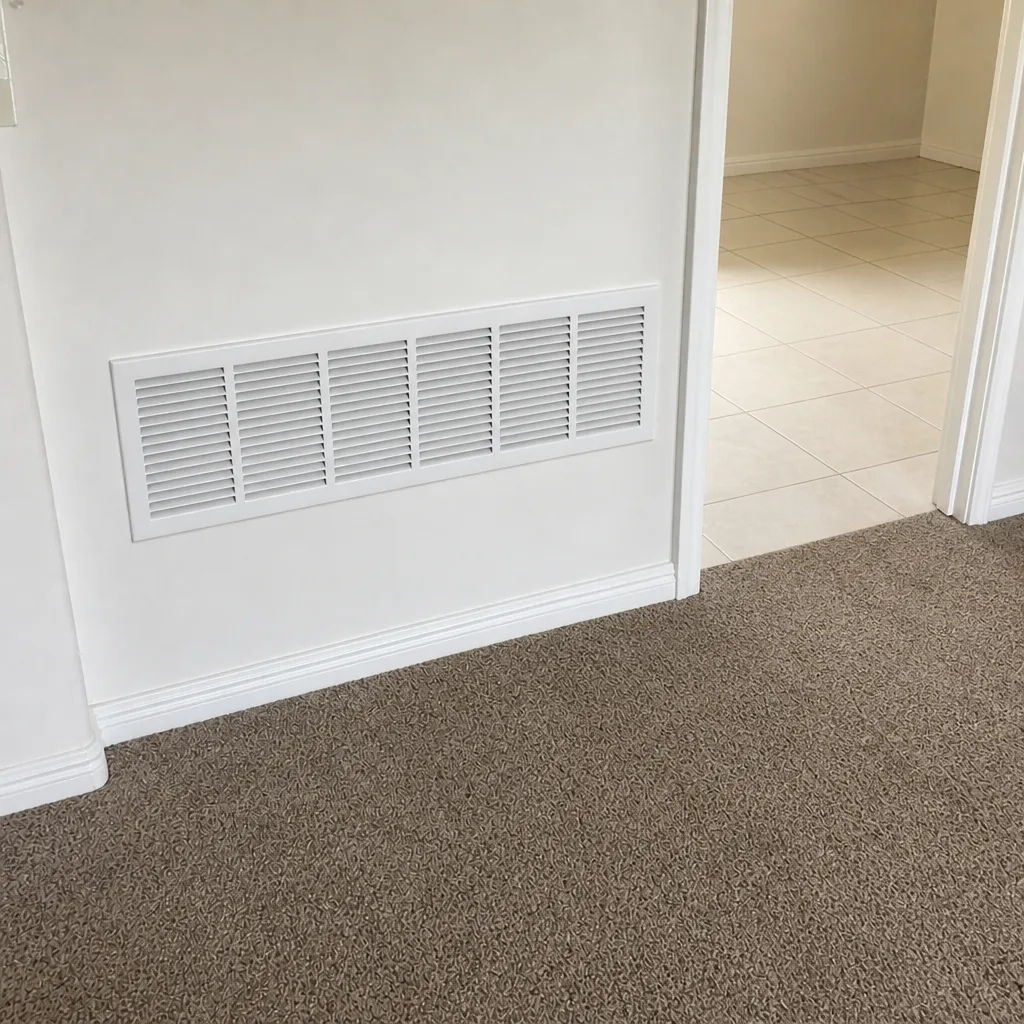
Whole-system duct and dryer vent check with before-and-after photos - you see exactly what came out of your vents
That "$99 whole-house special" is a bait ad - the real number appears once they are in your hallway, or the "clean" is a shop-vac at the register. We photograph the inside of your ducts before and after instead.
Air Duct Cleaning Warning Signs: A Cypress Homeowner’s Reference Guide
Most people picture duct problems as something dramatic: a visible cloud of dust, a smell you can’t ignore, a system that stops dead. In practice, the signal is quieter. It’s the faint musty note when your AC kicks on, the bedroom that never quite cools, the dust that settles back on the furniture a day after you wipe it down. Those aren’t “just dust” or “old house smell.” They’re your HVAC system telling you that something inside the airflow path has changed. This guide shows you how technicians read those signals, which warnings you can check yourself with a flashlight and a phone, and when a sign means “call now” instead of “schedule it soon.”
Styles & brands we work with
- Whole-home duct cleaning
- Dryer vent cleaning
- Camera inspection
- Sanitizing & deodorizing
Quick Answer
The clearest air duct cleaning warning signs in a Cypress home are a musty or stale smell at the registers when the system starts, visible dust or debris around vent covers, dust returning faster than it should after cleaning, uneven airflow between rooms, and higher energy use from a system that’s working harder than usual. Any single sign is worth investigating; two or more together is a strong case for a professional inspection. Signs that appear right after a pest problem, water intrusion, or a renovation mean call now rather than wait.
Table of Contents
- Register-Level vs. System-Level Symptoms: Why the Difference Matters
- The Flashlight Inspection: What to Look for at Your Vents
- Musty Odor in Cypress: telling dust smell from something growing
- Post-Event Warning Signs: After Pests, Water, or Renovation
- The Warning Sign Most People Ignore: Deteriorating Duct Insulation
- Airflow and Energy Clues: When the System Tells on Itself
- How a Technician Reads the Same Signs You Do
- Common Mistakes to Avoid
- When to Call a Professional
- Frequently Asked Questions
Register-Level vs. System-Level Symptoms: Why the Difference Matters
Most of what you read about duct problems focuses on what’s visible at the vent. That’s understandable – it’s the only part of the system you can see without pulling panels – but it’s also incomplete. The warning signs split into two broad groups, and knowing which group you’re looking at tells you a lot about what kind of service you likely need.
Register-level symptoms are things you can spot at the grille itself: dust clinging to the slats, dark smudges around the edges of the cover, a puff of dust when the system starts, a smell that’s strongest right at the vent. These are the signs every guide covers. They matter, but they’re also the signs a homeowner can check in five minutes with no equipment.
System-level symptoms are quieter and more telling. They show up in how the whole house behaves: a room that never reaches the same temperature as the rest, a system that runs in short bursts and cycles off before the house is comfortable, utility use drifting up without an obvious explanation, or a blower that sounds louder than it used to. Those signals suggest something is restricting or disrupting airflow inside the ductwork itself, not just at the surface.
In Cypress, system-level symptoms often show up first in the upstairs rooms of two-story homes, where the longer duct run and the warm afternoon sun combine to make a shortfall obvious. A guest room or a home office over the garage that never quite cools is worth watching. If your indoor air quality and air duct cleaning baseline has never been checked, register dust plus an uneven room is a reasonable pairing to investigate.
Here’s why the distinction matters before you call anyone: a purely surface problem at one register might need nothing more than a vacuum and a check. A system-level problem might point to a partial blockage, a disconnected run, or a leak that’s pulling unconditioned air from an attic or crawl space into the system. The two call for different work, and a technician should be able to tell you which one you have.
The Flashlight Inspection: What to Look for at Your Vents
You can do a useful inspection of your own registers in a few minutes, and it costs nothing. All you need is a flashlight and your phone. The point isn’t to diagnose the system – it’s to gather specific evidence so that when you do call, you can describe what you’re seeing instead of just saying “something feels off.”
- Remove one supply register cover. Most covers lift straight out or come free with a quarter turn of a screwdriver. Set it aside and shine the flashlight into the opening. Look at the inside surface of the duct.
- Photograph what you see. Use your phone’s camera with the flashlight on. You’re documenting, not judging – a clear photo is far more useful than a description from memory.
- Look for buildup. A light film of dust inside a duct is normal. What you’re watching for is a visible layer of debris, hair, lint, or dark material stuck to the duct walls, or debris resting at the bottom of a horizontal run.
- Check the register cover and the surrounding surface. Dark smudges around the outside of the grille, especially where air escapes, often mean the seal between the cover and the drywall has loosened.
- Repeat at two or three more registers. Start with one that’s easy to reach, and include a room that feels under-served. Comparing registers tells you whether the problem is local or spread through the system.
- Do the same at your return grille. The return is usually the largest grill in the house, often in a hallway or near the thermostat. A return that’s visibly soiled is a stronger signal than a dusty supply.
What you’re really looking for are three things: visible debris on the duct surface, any sign of moisture or staining, and any damage to the duct material itself. Debris is a cleaning question. Moisture is an air-quality question. Damage is a repair question. And here’s the honest part – one dirty duct doesn’t prove the whole system is dirty. A dirty return paired with several dirty supplies does.
If your photo shows soft, dark material that looks fuzzy or stained rather than simply dusty, don’t scrub it or spray anything on it. Note the location, take another photo, and mention it when you call. That’s the kind of evidence a technician wants to see before deciding whether a standard cleaning is enough.
Musty Odor in Cypress: telling dust smell from something growing
A musty smell when your AC kicks on is the warning sign homeowners most often write off as imagination. It usually isn’t. The smell has a source, and the source is somewhere in the airflow path – most often moisture sitting on the evaporator coil or in the drain pan, with dust and organic material giving it something to grow on.
Cypress sits in a climate where the cooling season runs long and the air carries real humidity. Your AC spends most of the year running, which means the coil stays wet for long stretches. That’s normal. What isn’t normal is when the coil, the drain pan, or the interior of the plenum stays damp and collects a layer of dust. The combination of moisture and organic dust is exactly what gives you that musty, damp-basement note in the air.
Distinguishing duct smells takes a little practice. Here’s a working guide:
- Dry, dusty smell. Like opening an old book or a rarely used closet. Usually just accumulated dust. It’s a cleaning signal, not urgent.
- Musty, earthy, damp smell. Like a wet towel left too long, or a basement after rain. This points toward moisture and growth somewhere in the system. Worth investigating promptly.
- Sharp, sour, or chemical smell. Could be a refrigerant leak, an electrical issue, or an entirely different problem. Don’t treat this as a duct issue; have the HVAC system checked.
- Smell that appears only when the system starts and fades after a minute. Often moisture on the coil or in the drain pan that’s being pushed through the ducts as air begins moving.
- Smell that’s strongest in one room or one branch. Suggests a local source – a single run, a bathroom exhaust that’s not venting properly, or a leak near that branch.
Air fresheners, plug-ins, and scented candles don’t address the smell – they layer something on top of it. If you’ve tried to mask the smell and it keeps coming back, that’s your answer: the source is still there, and it’s being distributed through every room the system serves. For homes in Cypress where the smell arrives with the first warm week of the year, it’s often worth asking how the HVAC cleaning side of the system looks at the same time.
Post-Event Warning Signs: After Pests, Water, or Renovation
Some duct problems build slowly over months. Others show up in a week, following a specific event. Those post-event signs deserve immediate attention, not a spot on the calendar a month out. In our experience, the events that matter most are pests, water, and renovation.
After a pest intrusion
Rodents, birds, and insects find their way into ductwork through gaps at the roofline, foundation, or exterior penetrations. The signs are usually a mix of smell and evidence: a musky or sharp odor that’s strongest when the system starts, visible droppings or nesting material near a register, or a sudden uptick in insect activity indoors. Air moving through contaminated ductwork distributes whatever is in there. This is the case for a professional inspection rather than a wait-and-see.
After water intrusion
A roof leak, an overflowing AC drain pan, a burst pipe, or a storm that pushed water into the attic can all leave moisture in or around ductwork. Watch for water staining on the ceiling near a register, a musty smell that starts suddenly, or visible rust on metal duct components. Ductwork that’s been wet and isn’t dried and cleaned is a genuine air-quality concern. Don’t spray sanitizer over a moisture problem – the moisture needs to be found and addressed first.
After a renovation
Drywall dust is fine and travels everywhere. If construction or remodeling happened in your Cypress home without the ductwork being sealed off, that dust has likely settled on the inside walls of the ducts and in the return system. It’s not a health emergency, but it does tend to distort the smell and feel of the air for months. A cleaning after the project wraps, once the last coat of paint is dry, is a sensible finish line.
Post-event signs are the ones where waiting costs you more than acting. If any of these sound familiar, it’s worth understanding what dryer vent cleaning and the rest of the airflow path look like at the same time, because a single event can affect more than one part of the system.
The Warning Sign Most People Ignore: Deteriorating Duct Insulation
Look inside a register and you’ll usually see one of two things: metal duct wall, or a foil or fiber facing over an insulated liner. That lining matters far more than most homeowners realize, and when it starts to break down, cleaning alone isn’t the answer.
Duct insulation does two jobs. It keeps conditioned air from picking up heat on its way through the attic or crawl space, and it keeps the duct itself from sweating in humid weather. When the lining tears, frays, or delaminates, a few things can happen:
- Fiber debris enters the airstream. Small amounts of the lining material can break off and get carried into the rooms. This is a source of particulate in the air that a standard cleaning won’t fix, because the lining will keep shedding.
- Airflow patterns change. A collapsed or partially detached liner can restrict flow in one branch, which shows up as an under-served room.
- Condensation and moisture get in. A damaged liner can let the metal duct sweat, which then feeds the very moisture and growth problems you’re trying to resolve.
If your flashlight inspection shows a duct interior with a soft, torn, or peeling liner, that’s a repair-and-sealing problem, not a cleaning problem. Cleaning a duct with a damaged liner can actually make things worse by disturbing material that was, for the moment, staying put. This is where a company that offers both cleaning and repair matters: the diagnosis and the fix happen in the same visit, and you don’t need to call a second contractor after the problem is found. Duct Repair & Sealing as part of the cleaning scope is one of the practical differences between a full-system specialist and a cleaning-only service.
Airflow and Energy Clues: When the System Tells on Itself
Not all warning signs come out of a register. Some come out of your utility bill and your thermostat. These are the system-level symptoms we mentioned earlier, and they’re often the ones that finally push a homeowner to make the call.
What to watch for:
- Rooms that never match. A bedroom that’s five degrees warmer than the hallway, or a downstairs that’s comfortable while upstairs is warm, is a classic sign of a restriction or leak in one branch of the system.
- Short cycling. Your system starts, runs briefly, and shuts off before the house is really comfortable. This can be a duct problem, a thermostat issue, or a system size issue – but it’s worth investigating.
- Utility drift. The same house, the same habits, the same weather, but higher bills. Restricted or leaky ducts make the system work harder for the same result.
- Louder airflow. A blower that sounds strained, or airflow you can hear whistling at a register, can mean the pressure is higher than it should be because somewhere downstream is restricted.
- Dust returning fast. If you dust a room and a day later it looks like you skipped it, the system is likely redistributing dust that’s settled inside the ducts.
Airflow symptoms are the ones where a professional diagnosis saves the most guesswork, because there are several possible causes and only one of them is dirt. We use professional-grade equipment from Rotobrush and Nikro on duct-cleaning jobs specifically because these systems let us see and clear the length of a run, not just the surface. Knowing whether the problem is debris, a loose joint, or a failed liner shapes the whole visit.
How a Technician Reads the Same Signs You Do
When a technician walks into a Cypress home, they’re not looking at the registers with a fresh eye – they’re reading the same signs you can see, plus a few more that need equipment. The framework is roughly the same in any home, and understanding it helps you describe what you’re seeing when you call.
First, we look at the visible evidence. That means the register covers, the returns, the surrounding drywall, and anything you’ve photographed. A pattern of dirty supplies with a clean return usually means the return is the bigger source. A clean supply with a dirty return points the other way.
Second, we look at the system as a whole. That means checking airflow at multiple registers, looking at the blower and evaporator coil area, and looking for signs of disconnected or damaged runs in the attic or crawl space. This is where system-level symptoms get confirmed or ruled out.
Third, we look at moisture. A technician checks the drain pan, the coil, and any visible insulation around the ducts for signs of water. If there’s a moisture problem, we say so before recommending cleaning, because cleaning a system with an unresolved moisture issue doesn’t fix the smell.
Fourth, we look for damage. A lining tear, a disconnected joint, or a crushed section of flex duct is a repair problem. Where the whole airflow path is in scope, we can find the problem and fix it in the same visit, using the same professional-grade equipment from brands like Abatement Technologies and Honeywell that commercial contractors use.
Fifth, we test the dryer vent when the home has one. A dryer vent is part of the same airflow story, and if it’s clogged or restricted, that’s worth surfacing while we’re already there. If the call is mainly about the Cypress Air Duct Cleaning Co full-system scope, that’s typically one visit with a written estimate covering everything found.
Common Mistakes to Avoid
- Treating one dusty register as the whole diagnosis. A single dirty vent is often a sealing or airflow issue, not a sign the whole system needs cleaning. Check two or three more before you draw a conclusion.
- Spraying air freshener over a musty smell. Masking the smell doesn’t touch the moisture problem that produces it, and it makes the original sign harder to trace later. Find the source first.
- Signing up for a “per-vent” cleaning. Per-vent pricing tends to reward a quick surface pass, not a whole-system clean. Honest pricing is set per job, from a written estimate.
- Waiting on post-event signs. If a pest, water, or renovation event happened recently, don’t wait for the smell to fade on its own. Those signs are the ones that justify an inspection promptly.
- Ignoring damaged duct lining. If your flashlight inspection shows a torn or peeling liner, cleaning alone won’t fix the particulate getting into your air. It needs repair and sealing, and a company that offers both is one call.
- Choosing the lowest quote without asking what’s included. A very cheap quote often means a short visit with consumer equipment. Ask what will be cleaned, what equipment will be used, and whether you’ll get before-and-after photos.
- Assuming your years-old service record still applies. A home that was cleaned years ago may have shifted since then – new renovations, new pests, new moisture – so check the current signs rather than relying on old ones.
When to Call a Professional
Some of what this guide describes is worth a scheduled visit. A dusty register, a mild smell, and a bedroom that’s running a few degrees warm is the “schedule it when you have an hour” scenario. Call now rather than later if you’re seeing any of the following: a musty smell that’s appeared in the past two weeks, visible debris or droppings at a register, water staining near an AC vent, or a renovation that finished inside the last 60 days without duct protection. Any two of those together is a clear signal to get an inspection. If the flashlight inspection shows damaged lining, that’s a repair question, not a cleaning question, and it’s worth addressing before a standard cleaning.
Cypress Air Duct Cleaning Co offers free estimates in Cypress – call (844) 625-7168. We answer 24/7, with fast dispatch from 7am to 7pm, Sunday through Friday. The price is set per job by the written estimate, so you know the total before any work starts, and you get before-and-after photos of your own ducts so you can see exactly what was found and cleared.
Frequently Asked Questions
Whole-system air duct cleaning in Cypress typically falls in a broad range depending on the size of the system, the number and condition of the runs, and whether repair and sealing or sanitizing is included. The honest answer is that the price is set per job from a written estimate, after the technician has seen the system – not from a number on a website. Call (844) 625-7168 for a free estimate and the exact figure for your home.
Cheap quotes usually come from a short visit with consumer-grade equipment that cleans the visible registers and little else. A real whole-system clean uses professional-grade systems – the kind of rotating-brush and high-powered vacuum equipment that’s used on commercial and light-commercial jobs, not a household shop vacuum. The difference shows up in the before-and-after photos and in how the system performs afterwards. Call (844) 625-7168 for a free estimate and a straight description of what’s included.
You should be shown before-and-after photos of your own ducts, register by register, and the technician should walk you through what was found, what was cleaned, and what needed repair. For homes in Cypress, that documentation is what makes the difference between a real clean and a quick pass with a vacuum. Ask for photos as part of the estimate conversation – call (844) 625-7168 to book one.
There’s no single answer, because it depends on the home. A Cypress home with pets, ongoing dust, or a recent renovation may benefit from cleaning more often than one that’s been quiet. What matters more than a fixed schedule is checking the signs: musty smell, dust returning fast, uneven airflow, and visible debris at the registers. If those are showing up, that’s the cue, not the calendar. Call (844) 625-7168 for a free estimate and an honest opinion on timing.
Not always. A musty smell often points to moisture on the evaporator coil or in the drain pan, and sometimes the right fix is cleaning plus sanitizing; sometimes it’s addressing a drainage problem first. What’s certain is that a persistent musty smell is a signal worth investigating, and an air-freshener fix just hides it. Call (844) 625-7168 for a free estimate and a technician who can find the actual source.
Damaged lining means a repair-and-sealing job, not a simple clean. Cleaning a duct with a torn liner can disturb material that, until then, was staying put, and it won’t fix particulate that keeps shedding. That’s why we offer Duct Repair & Sealing in the same visit as cleaning – find the problem, fix it, seal it, and get on with the day. Call (844) 625-7168 for a free estimate.
The Bottom Line
Air duct warning signs fall into two groups: the ones you can see at the register and the ones you can only read from how the system behaves. Most homeowners focus on the first and miss the second. A flashlight and a phone will tell you about debris, moisture staining, and damaged lining; your utility bill, your thermostat, and the room that never cools tell you about restrictions and airflow problems. Neither group alone is a diagnosis. Together, they’re evidence you can act on. If you’re seeing two or more signs, or if a pest, water, or renovation event has happened recently, that’s the moment to have the system looked at properly, with before-and-after photos so you know exactly what was found and what was cleared.
Cypress Air Duct Cleaning Co offers free estimates in Cypress – call (844) 625-7168. We answer 24/7, with fast dispatch from 7am to 7pm, Sunday through Friday. One flat price per system, agreed before work starts. Professional-grade equipment from Rotobrush, Nikro, and Abatement Technologies. Before-and-after photos of your own ducts. The local professional we connect you with is licensed and insured as their state requires, and our technicians have up to 13 years of experience. Air you can trust starts with a system that’s been properly inspected, and we’ll walk you through what’s found before any work begins.
Written by the team at Cypress Air Duct Cleaning Co.
See the difference
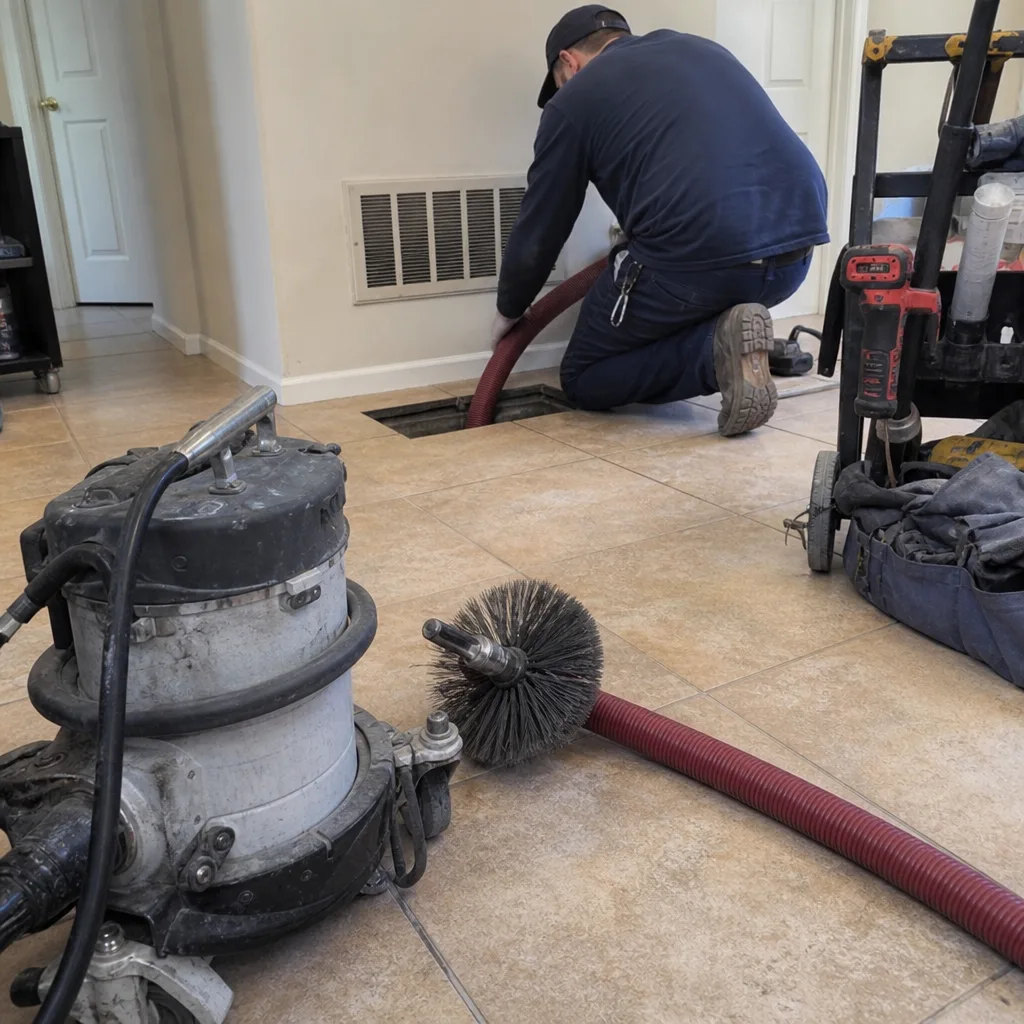 Before
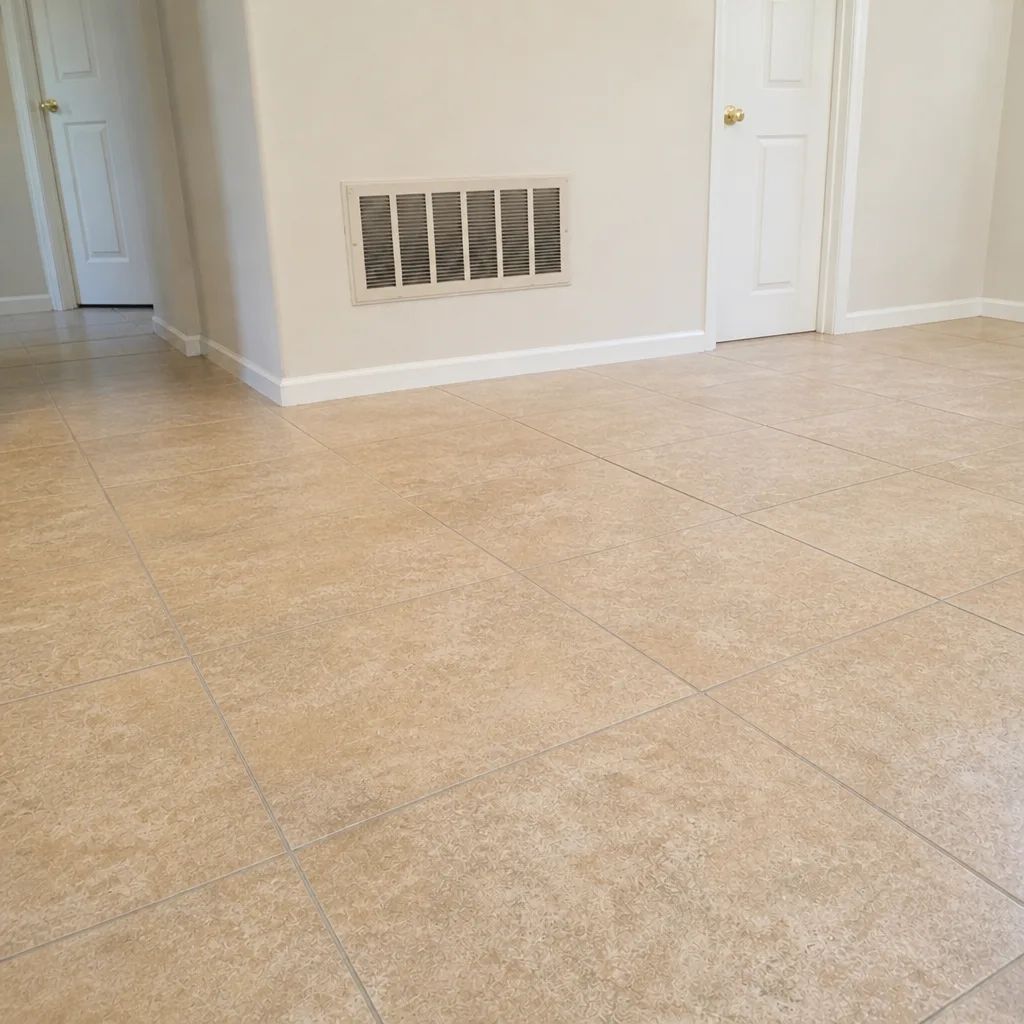 After
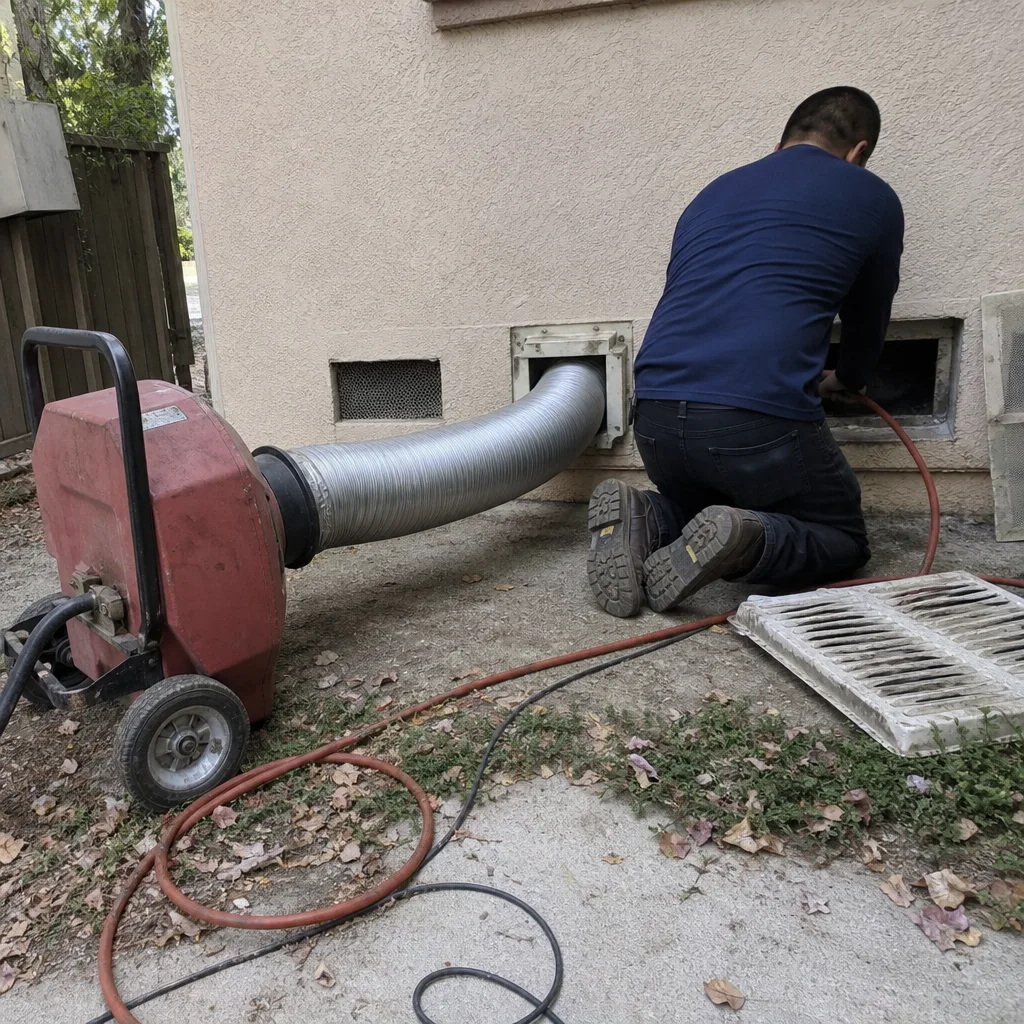 Before
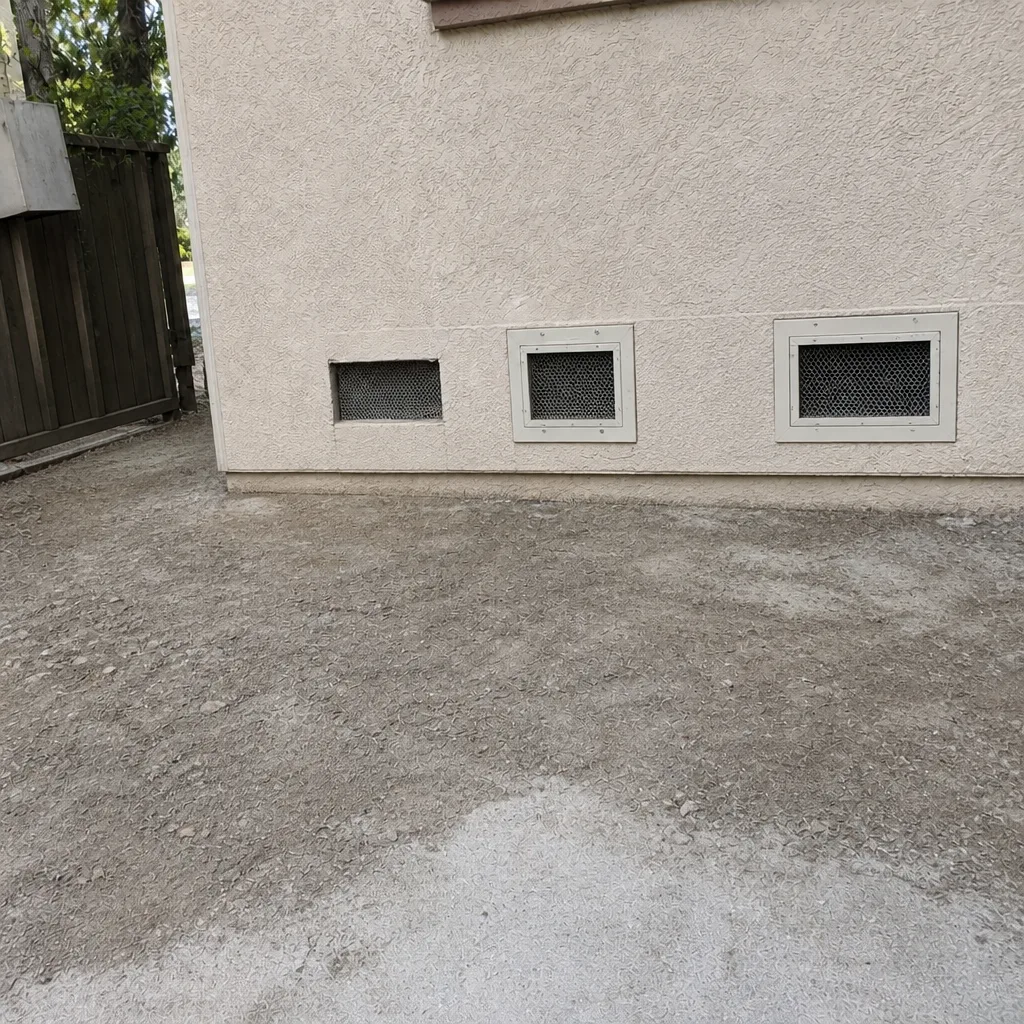 After
 Before
 After