
Last updated November 23, 2026
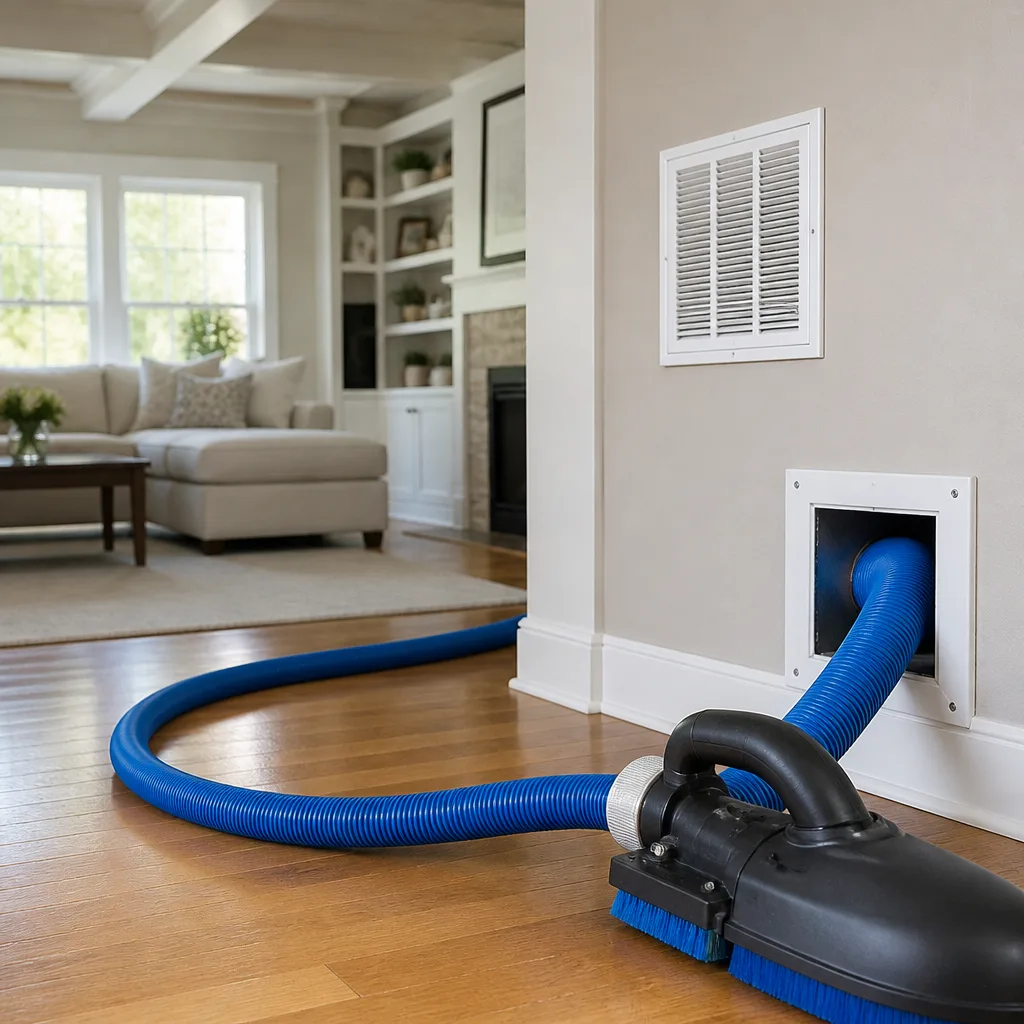 Whole-home duct cleaning
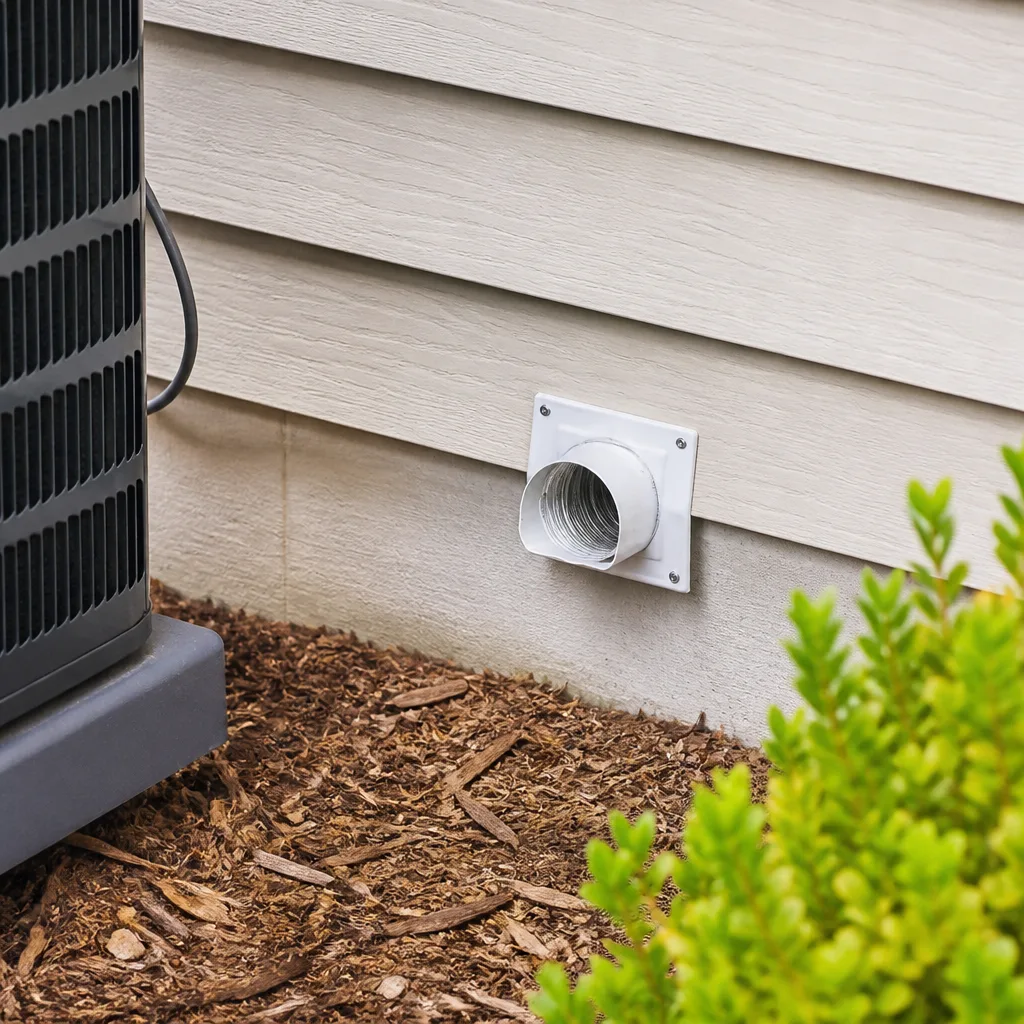 Dryer vent cleaning
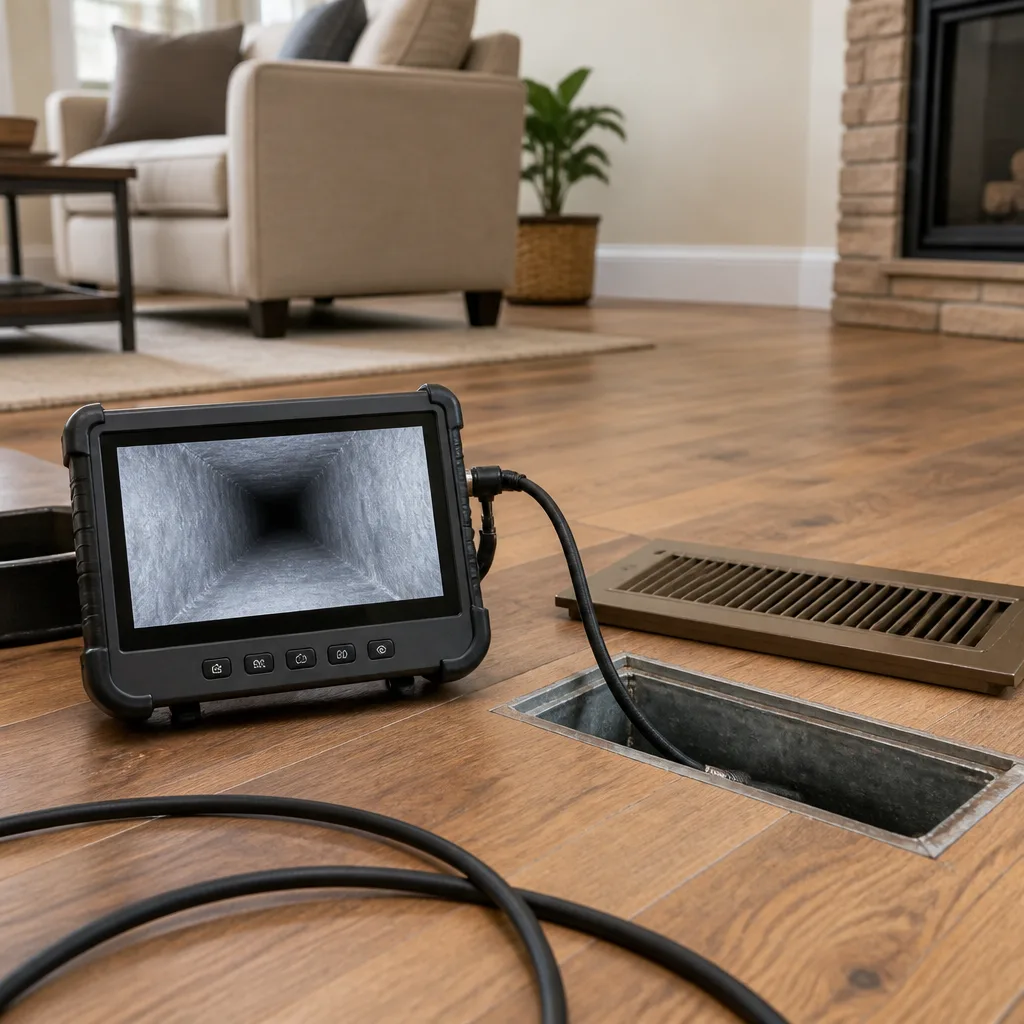 Camera inspection
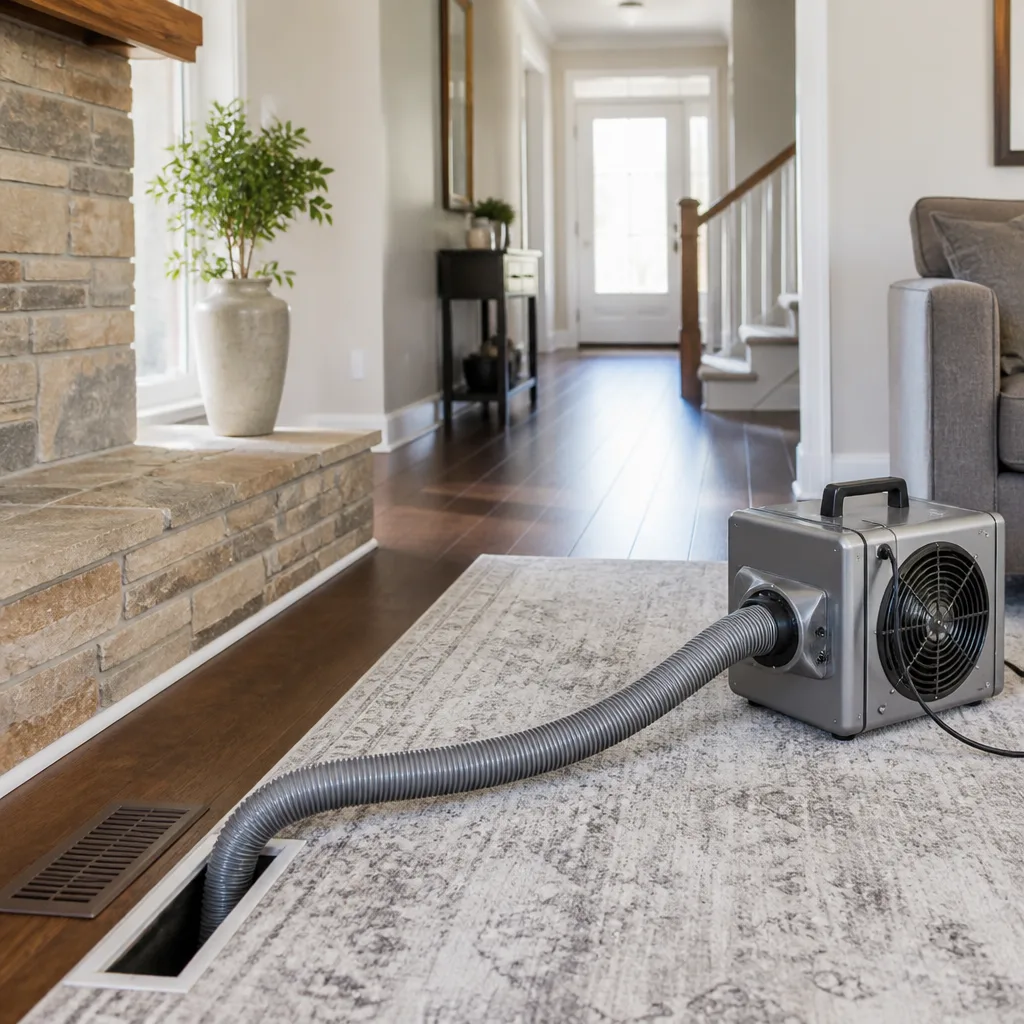 Sanitizing & deodorizing
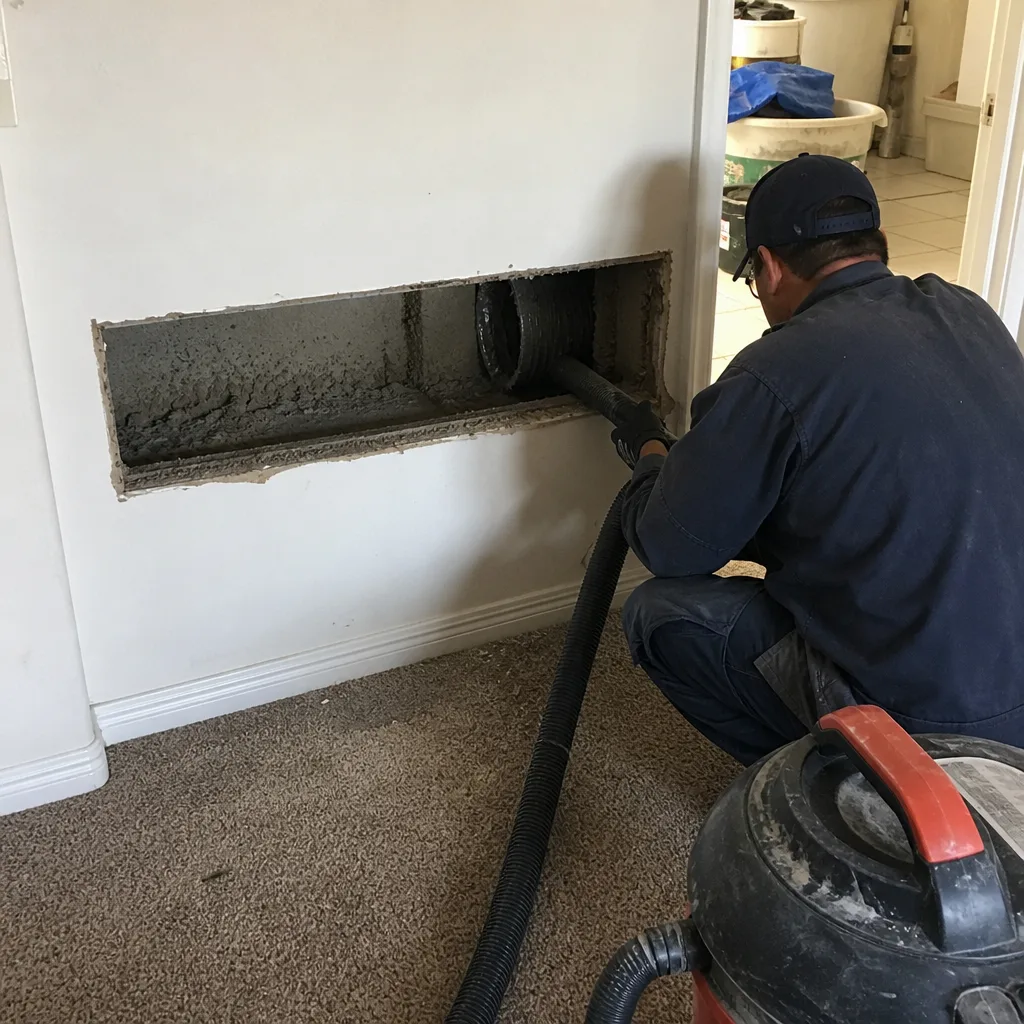
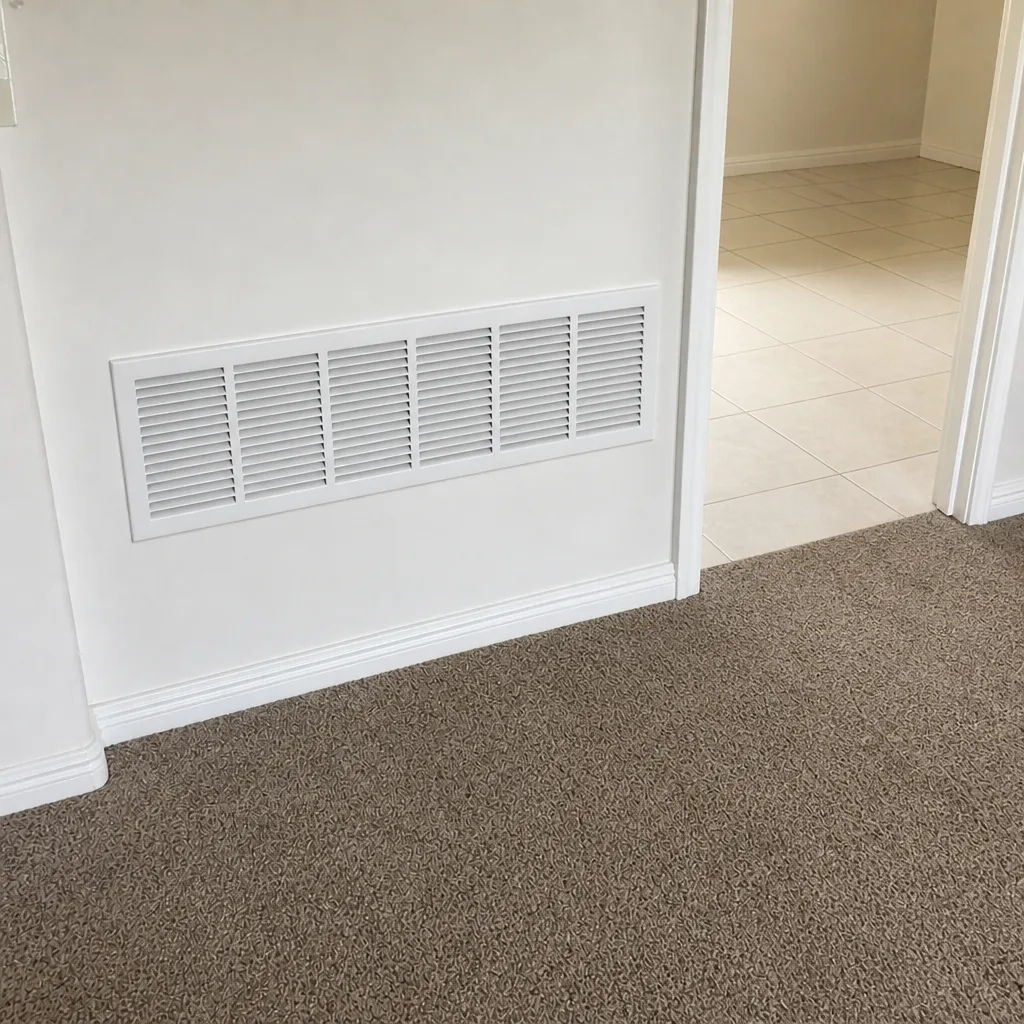
Whole-system duct and dryer vent check with before-and-after photos - you see exactly what came out of your vents
That "$99 whole-house special" is a bait ad - the real number appears once they are in your hallway, or the "clean" is a shop-vac at the register. We photograph the inside of your ducts before and after instead.
How to Hire an Air Duct Cleaning Contractor in Cypress: A Step-by-Step Guide
Any contractor in California can legally advertise air duct cleaning without specialized certification. There’s no statewide license for the trade, no required exam, no minimum equipment standard. That surprises most homeowners in Cypress, who assume a truck with a logo and a business card means some agency has checked the work. It hasn’t. The questions you ask before booking are the only quality filter you have, and this guide gives you the exact ones to ask. You’ll learn how to read equipment specs, what NADCA membership does and doesn’t prove, why per-vent pricing is a warning sign, and what documentation a contractor who stands behind their work should hand you when the job is done.
Quick Answer
To hire an air duct cleaning contractor in Cypress, verify the equipment before you verify the price. Ask for the make and model of their negative pressure vacuum and its CFM rating, confirm they clean the whole system rather than just the registers, insist on a pre-job walkthrough that assesses your system’s size and layout, and require before-and-after photos plus a written scope of work. A contractor who can answer those questions clearly is usually the one worth booking.
Styles & brands we work with
- Whole-home duct cleaning
- Dryer vent cleaning
- Camera inspection
- Sanitizing & deodorizing
Table of Contents
- Why Vetting Falls Entirely on You in Cypress
- The Equipment Questions That Expose Underequipped Operators
- What NADCA Membership Means and What It Doesn’t
- The Red Flags Hidden in Pricing
- What a Legitimate Pre-Job Walkthrough Looks Like
- Post-Job Accountability: Photos, Documentation, Written Scope
- The Step-by-Step Hiring Process
- Common Mistakes to Avoid
- When to Call a Professional
- Frequently Asked Questions
Why Vetting Falls Entirely on You in Cypress
California doesn’t license air duct cleaning as a standalone trade. A contractor handling ductwork generally needs a valid contractor license for the related work, but there’s no dedicated duct-cleaning certification the state issues or requires. That means nobody has inspected the equipment, tested the technician’s knowledge, or confirmed the company carries liability coverage. The homeowner does all of that.
Cypress makes this a little trickier than it sounds. The city’s housing stock runs from older single-story tracts near the center of town to newer two-story builds and townhomes, and those systems are laid out very differently. A single-story ranch home with a short trunk line and six registers is a much simpler clean than a two-story with a long run and a dozen supply boots. A contractor who quotes the same flat rate over the phone for both without asking a single question hasn’t assessed anything.
What you’re really hiring is a process. A professional clean has four parts:
- A pre-job assessment of system size, layout, and access points
- Negative pressure containment so dislodged debris leaves the system instead of entering your rooms
- Mechanical agitation of the duct walls, not just a vacuum pulled at the register
- Documentation of what came out and what condition the system was in
Skip any of those and you’ve paid for a surface pass. Cypress homeowners dealing with dust buildup or an HVAC system that runs longer than it used to are usually chasing the same root cause, and a proper assessment is what reveals it. When you’re ready to move on a quote, our air duct cleaning service starts with that assessment.
The Equipment Questions That Expose Underequipped Operators
Equipment is the fastest way to separate a professional operation from a shop vac with a hose extension. Ask these questions on the phone, before anyone comes out. A reputable contractor answers them without hesitation, because they’re proud of their setup.
- “What make and model is your negative pressure unit, and what CFM does it run at?” The brand matters less than the answer being specific. Vague answers like “we have a big vacuum” are the tell. Professional systems pull through a vacuum rating matched to the system size; consumer equipment doesn’t come close.
- “What kind of agitation do you use inside the ducts?” Rotating brushes and air whips are the professional standard. A vacuum alone doesn’t remove the bonded layer stuck to duct walls.
- “Do you run HEPA or air-scrubbing equipment while you work?” This is containment. Equipment like Abatement Technologies systems keep fine particulate out of your living space during the job.
- “How do you access the ductwork?” A legitimate job means creating or using access points along the trunk and branches. Cleaning only through the registers reaches maybe a foot into each run.
- “Can you show me the equipment when you arrive?” The answer should be an immediate yes. Reputable contractors carry systems such as Rotobrush or Nikro, and they’re happy to point at the machine.
Write the answers down. When you compare contractors, you’ll find the difference in specificity is stark. One gives you a model name and a CFM figure. The other gives you adjectives.
What NADCA Membership Means and What It Doesn’t
NADCA stands for the National Air Duct Cleaners Association. It publishes a training and assessment standard for the industry, and its certified members have passed a written exam and agreed to follow a defined cleaning process. That’s genuinely worth something. But it is not a government license, and no California agency requires it. A contractor can operate fully legally without a single NADCA credential.
So how should you weigh it? Treat it as one signal among several:
- It means: the contractor has invested in industry training and accepted a published standard of work.
- It doesn’t mean: the state has verified their insurance, their equipment, or their pricing practices.
- It doesn’t mean: every technician on the job is personally certified.
- It doesn’t mean: the quote you got is fair or the scope is complete.
Look past the badge to what’s behind it. A contractor who can explain the NADCA process in their own words, name their equipment, and walk you through how they document a job is far more reassuring than a logo on a website with no substance underneath. Ask them directly: which parts of your process follow the NADCA standard, and where do you go beyond it?
At Cypress Air Duct Cleaning Co we don’t treat credentials as the finish line. We treat them as the entry requirement, then let the equipment and the process speak. Our technicians have up to 13 years of experience, and what they’ve learned is that homeowners who ask good questions make better decisions.
The Red Flags Hidden in Pricing
Per-vent pricing is the single clearest warning sign in this trade. When a company quotes a dollar figure per register, they’ve structured the price around cleaning each register, not the system behind it. It’s a number that’s easy to advertise because it looks small, and easy to inflate once the technician is on site and finds “additional work.”
Here’s the difference in plain terms:
- Per-vent pricing: priced to the accessible openings. Often a register-only job with limited agitator time.
- Whole-system pricing: one flat price for the entire system, agreed in writing before work begins, based on system size and configuration.
Other pricing flags to watch for:
- A teaser price that has an unexplained asterisk or “starting at” language attached to it.
- A quote given over the phone with no questions about your home’s square footage or number of systems.
- A technician who arrives and immediately “discovers” a problem not mentioned in the estimate, then offers to fix it for more.
- No written scope before work starts, so there’s nothing to compare the final invoice against.
One flat price per system, agreed before work starts, is the standard to hold contractors to. It protects you from the bait-and-switch pattern that has given this industry its reputation, and it forces the contractor to assess your system honestly before quoting it. Ask the question directly: is this price for the whole system or per opening? The answer tells you what kind of company you’re talking to.
What a Legitimate Pre-Job Walkthrough Looks Like
A contractor who shows up, sets up, and starts working without walking your home is skipping the single most important part of the job. The walkthrough is where the contractor learns your system and where you learn theirs.
A thorough pre-job assessment covers:
- Locating every system. A home with two HVAC units needs both assessed. A single-compressor home doesn’t.
- Identifying the return and supply configuration. Returns, trunk lines, branch runs, and boots all need to be in scope.
- Assessing access. Where will the contractor cut in or use existing access panels? Are there obstructions in the attic or crawlspace? Cypress homes range from slab-on-grade to raised, and access varies widely.
- Checking the air handler and coil. Dust often concentrates at the evaporator coil and blower. A full-system clean addresses that component too, which is why HVAC cleaning matters alongside ductwork.
- Inspecting the dryer vent line separately. It’s a different system with its own fire risk, and it should be quoted as its own item.
- Lotting out the scope of work in writing. What gets cleaned, how, in what order, and with what documentation at the end.
Ask the contractor to walk you through their findings as they go. Good ones do this naturally. They’ll tell you what condition your ductwork is in, where dust has accumulated, and whether there’s any leakage or damage worth noting. That last part matters. Duct leakage is common in older systems, and it silently wastes the air you paid to cool. A contractor who spots it and can fix and seal it in the same visit has upgraded your system rather than just cleaned it.
Post-Job Accountability: Photos, Documentation, Written Scope
The job isn’t finished when the equipment shuts off. It’s finished when you have evidence the work was done. Ask for three things before you pay.
Before-and-after photos. A professional should photograph the inside of your ductwork before cleaning and after. Not stock photos, not a gallery on the website. Your ducts. This is straightforward with modern equipment and any contractor who does it routinely will offer it without being asked.
A written scope of work. The same document you agreed to before the job, marked as completed. It should list every system touched, every access point used, and any additional work done such as sealing.
A summary of findings. What the technician observed about your system’s condition, any components that need future attention, and what’s worth monitoring. If they recommend a filtration upgrade, they should be able to explain why in concrete terms. That’s where product knowledge such as Aprilaire or Honeywell systems comes in, and where a contractor who only cleans (and doesn’t understand air quality equipment) falls short.
If a contractor resists providing photos or a written summary, that’s your answer. A company that stands behind its work documents it. Every time.
The Step-by-Step Hiring Process
Here’s the sequence that keeps you from booking the wrong contractor.
- Confirm they clean the whole system, not just the registers. Ask directly. Register-only cleaning is the model many low-price operators run.
- Ask the equipment questions from the section above. Model names, CFM, agitation method, containment gear. Get specifics.
- Request a written scope of work before the visit. Any contractor who can’t produce one isn’t planning the job properly.
- Get a flat price for the whole system. Compare scopes as much as prices. A cheap quote for half a job isn’t cheap.
- Ask what documentation they provide at the end. Photos, written summary, findings. Confirm before booking.
- Verify insurance and licensing on the current contractor license database. Ask for the license number and confirm it yourself.
- Book the job and be present for the walkthrough. Ask questions during it. This is your chance to learn what’s in your system.
None of these steps is complicated. Together they put the vetting burden on the contractor to demonstrate capability rather than on you to trust a sales pitch. The company that handles all seven comfortably is the one to hire.
Common Mistakes to Avoid
- Booking on price alone. The lowest quote almost always reflects the least equipment and the shortest job. A whole-system clean with proper containment costs more to run than a register pass, and the price reflects that.
- Not asking what equipment they use before the visit. By the time the technician is at the door, you’ve lost your leverage. Ask on the phone.
- Accepting a quote given without any questions about your home. System size, number of units, and layout determine the work. A quote that ignores all three is a guess dressed as a price.
- Forgetting the dryer vent. It’s a separate system, it’s a fire risk, and it should be in scope or quoted separately. Book dryer vent cleaning as part of the same visit so it’s not skipped.
- Paying before seeing documentation. Before-and-after photos and a written summary are part of the deliverable. Wait for them.
- Assuming the badge is enough. NADCA membership is a good sign, but it doesn’t replace asking about equipment, insurance, and scope.
- Skipping the walkthrough. If you’re not present for the pre-job assessment, you won’t know if it happened.
When to Call a Professional
Not every dusty register means the whole system needs cleaning. But several signs point clearly to a professional job:
- Visible dust or debris blowing from the registers when the system kicks on
- A musty or stale smell that persists after you’ve cleaned the filters
- Allergy symptoms that worsen when the HVAC runs, or during seasonal transitions
- A system that’s had renovation work done recently (drywall dust enters ductwork and stays there)
- Leaking or disconnected ductwork you can see in the attic or crawlspace
- A dryer that takes noticeably longer than it used to complete a cycle
If any of those sound familiar, a proper inspection is worth more than another round of filter changes. Cypress Air Duct Cleaning Co connects you with independent local professionals who run Rotobrush and Nikro systems, assess the whole system, and document the result. Estimates are free. Call (844) 625-7168. We answer 24/7. Fast dispatch from 7am to 7pm, Sunday through Friday.
Frequently Asked Questions
There’s no single honest number, because pricing depends on system size, the number of HVAC units, and accessibility. What matters more is the structure: you should get one flat price per system, agreed in writing before work begins, with no per-vent charges. Any contractor quoting per register is pricing openings, not the system. Call (844) 625-7168 for an exact quote. Estimates are free.
Cheaper quotes almost always reflect less equipment and less scope. A register-only clean with a shop vacuum can be done in an hour and priced accordingly. A whole-system clean with a Rotobrush agitator and a proper negative pressure unit takes several and requires real equipment. Compare what’s included in the scope, not just the number at the bottom.
Ask for before-and-after photos of your own ductwork, not stock imagery, and a written summary of findings. A contractor who routinely photographs the job will provide them without hesitation. Large equipment brands including Abatement Technologies make this part of standard practice. If a contractor resists providing documentation, that’s a clear signal.
No. NADCA is a training and assessment standard, not a state licensing body. California doesn’t issue a dedicated duct-cleaning license, so NADCA certification is a voluntary quality signal, not a legal requirement. Treat it as one useful indicator alongside equipment, insurance, written scope, and documentation.
Most homes in Cypress benefit from a professional assessment every few years, and sooner if you’ve had renovation work, visible dust from registers, or allergy flare-ups. Homes with pets or heavy dust exposure should be checked more often. There’s no universal schedule; what matters is whether your system actually has buildup worth removing.
Yes, when the contractor handles repair and sealing in-house. Leaks, disconnected sections, and poor joints are common findings, and sealing them upgrades system performance better than another cleaning would. Cypress Air Duct Cleaning Co offers Cypress Air Duct Cleaning Co with a full five-service scope covering ducts, dryer vents, HVAC units, duct repair and sealing, and air quality treatment with Guardsman sanitizing products. Call (844) 625-7168 for a free estimate.
The Bottom Line
There’s no government agency vetting air duct cleaners in Cypress, so the questions you ask are the quality filter. Ask for equipment specifics: model, CFM, agitation method, containment. Insist on one flat price per system and walk away from per-vent quotes. Require a pre-job walkthrough that assesses your system’s size and layout. And ask for documentation at the end: your own ducts, photographed before and after, plus a written record of what was found. A contractor who answers all of those questions easily and documents the job is the one worth booking.
Call (844) 625-7168. We answer 24/7. Fast dispatch from 7am to 7pm, Sunday through Friday.
Written by the team at Cypress Air Duct Cleaning Co.
See the difference
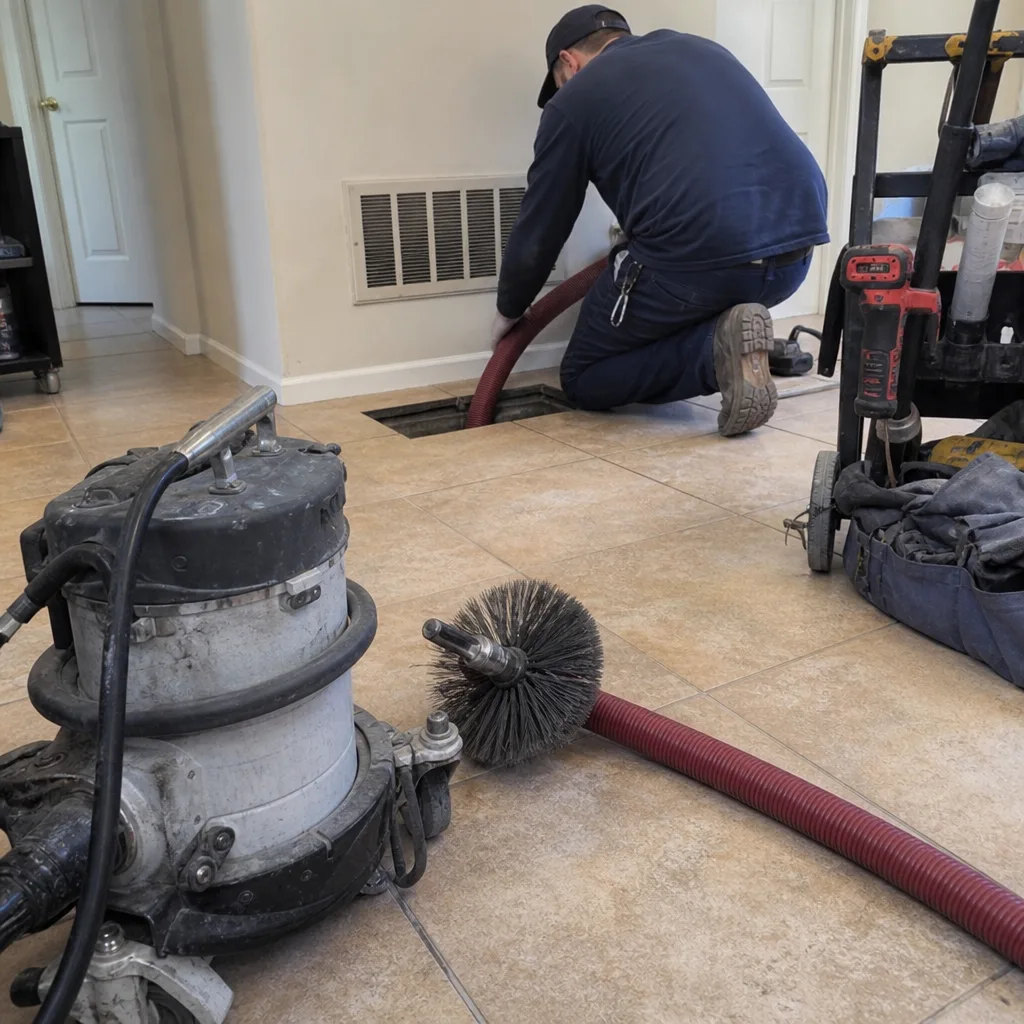 Before
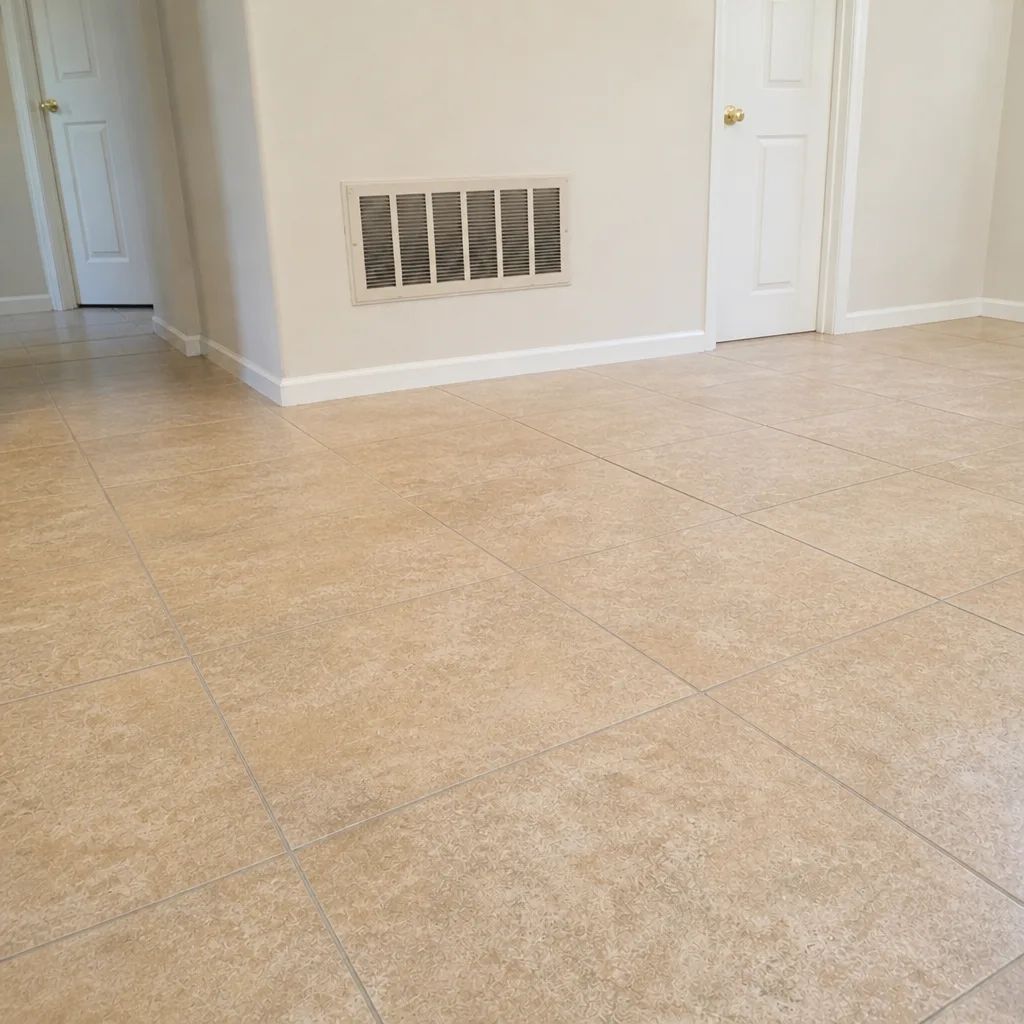 After
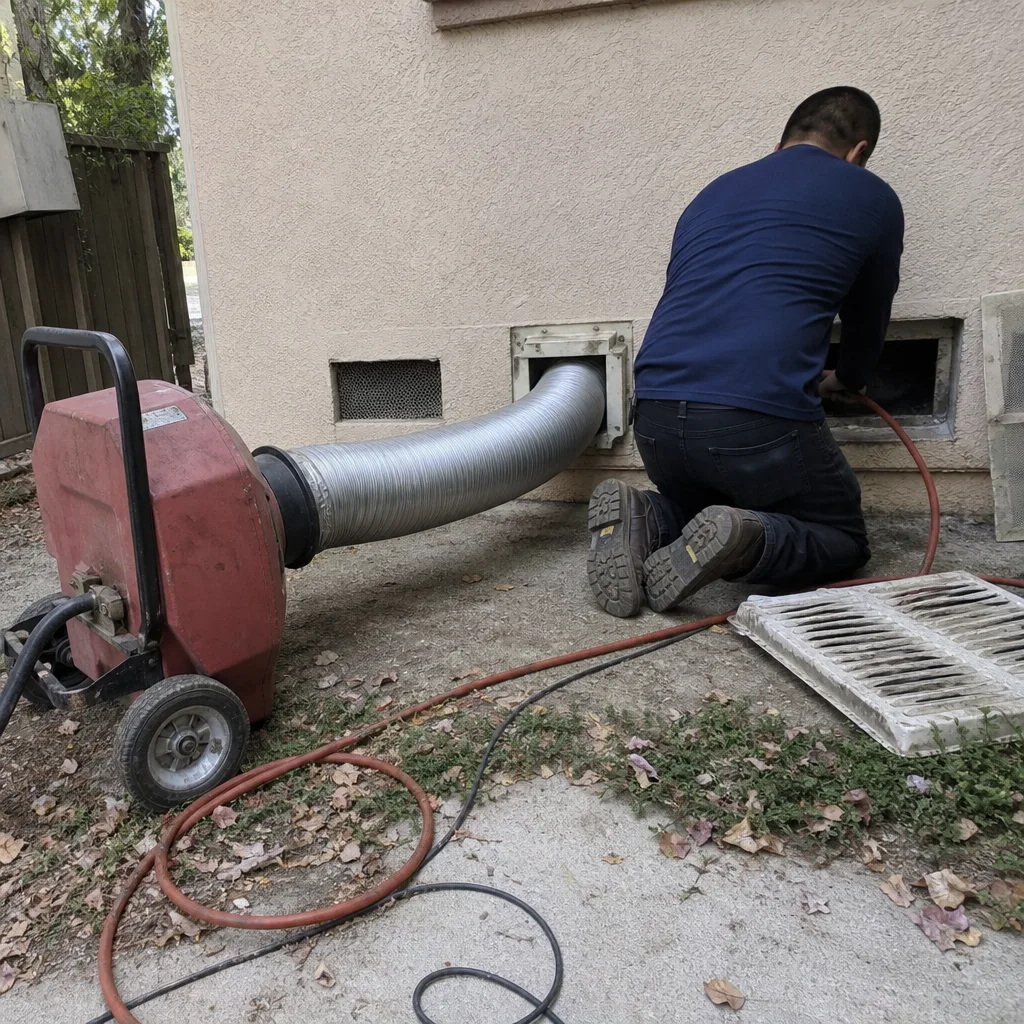 Before
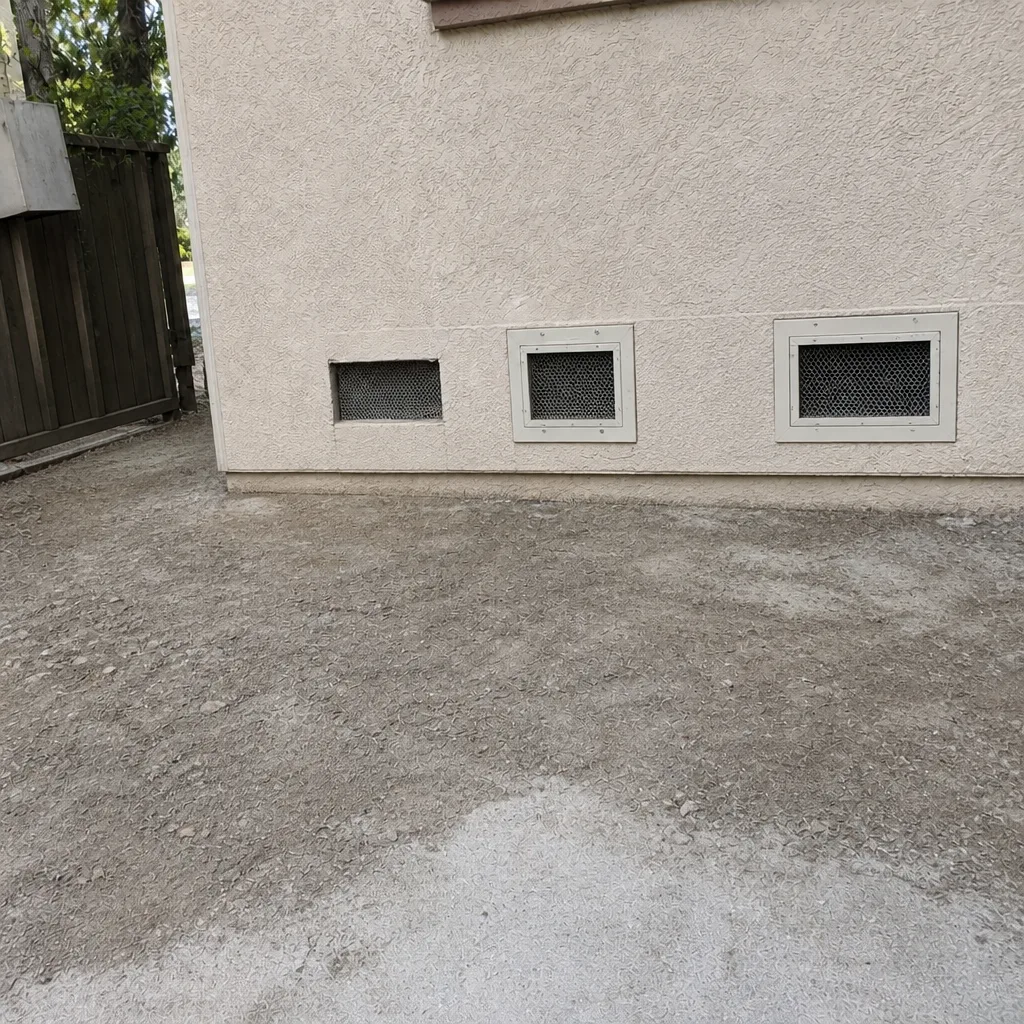 After
 Before
 After